
Summer is peak season for two things: sunbathers underestimating UV, and energy traders underestimating intraday volatility. Here’s the short version of why.
Demand often drops.
With little electric heating, longer daylight hours, and many offices operating at lower capacity, electricity demand often falls during summer, although cooling demand can offset this in hotter regions. Lower demand combined with high renewable output reduces the demand left for conventional generation, making prices more sensitive to weather changes, forecast errors, and grid constraints.
Solar floods the middle of the day.
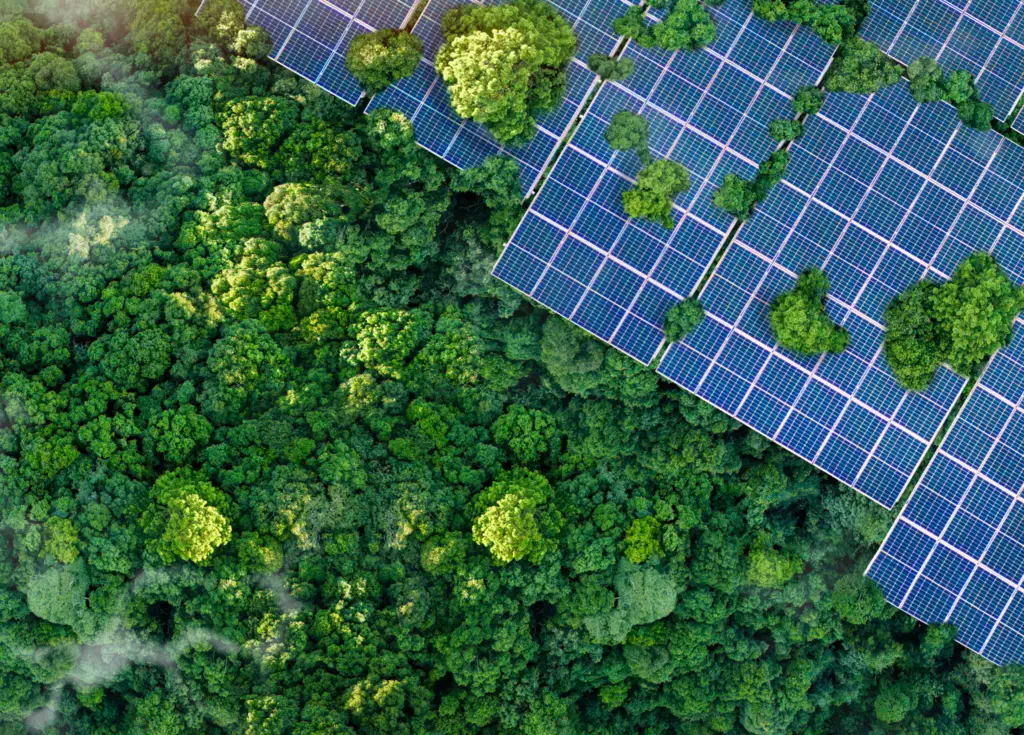
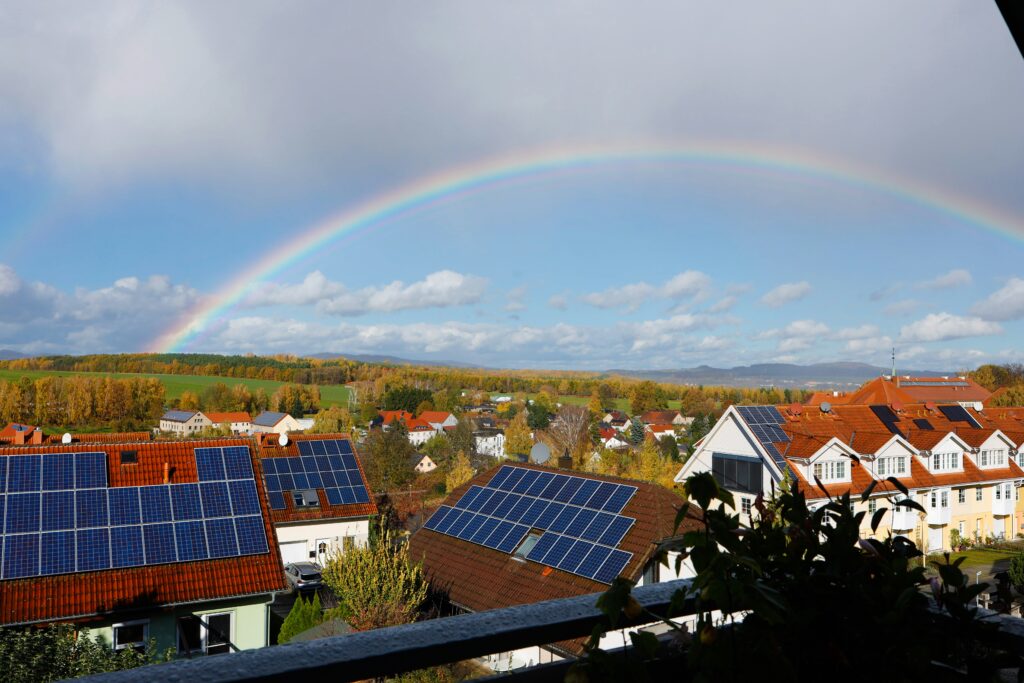
Long, sunny days push solar generation toward its yearly high, often creating abundant supply around midday. When generation outstrips demand, prices can fall sharply – sometimes to zero or below – before rising again as solar output declines and evening demand picks up.
The result: bigger swings, more often.
Low demand and abundant solar generation around midday, followed by a steep evening ramp, can create sharp and recurring price movements within a single day. The exact pattern varies by market and weather, but it is a familiar seasonal dynamic in power systems with substantial solar generation.
What this means if you’re exposed
If your energy costs, or a battery asset, are priced against the spot market, summer can widen the gap between the average price and the price you actually face at 2 p.m. or 7 p.m. That gap is either a risk to manage or an opportunity to capture, depending on which side of it you’re on.
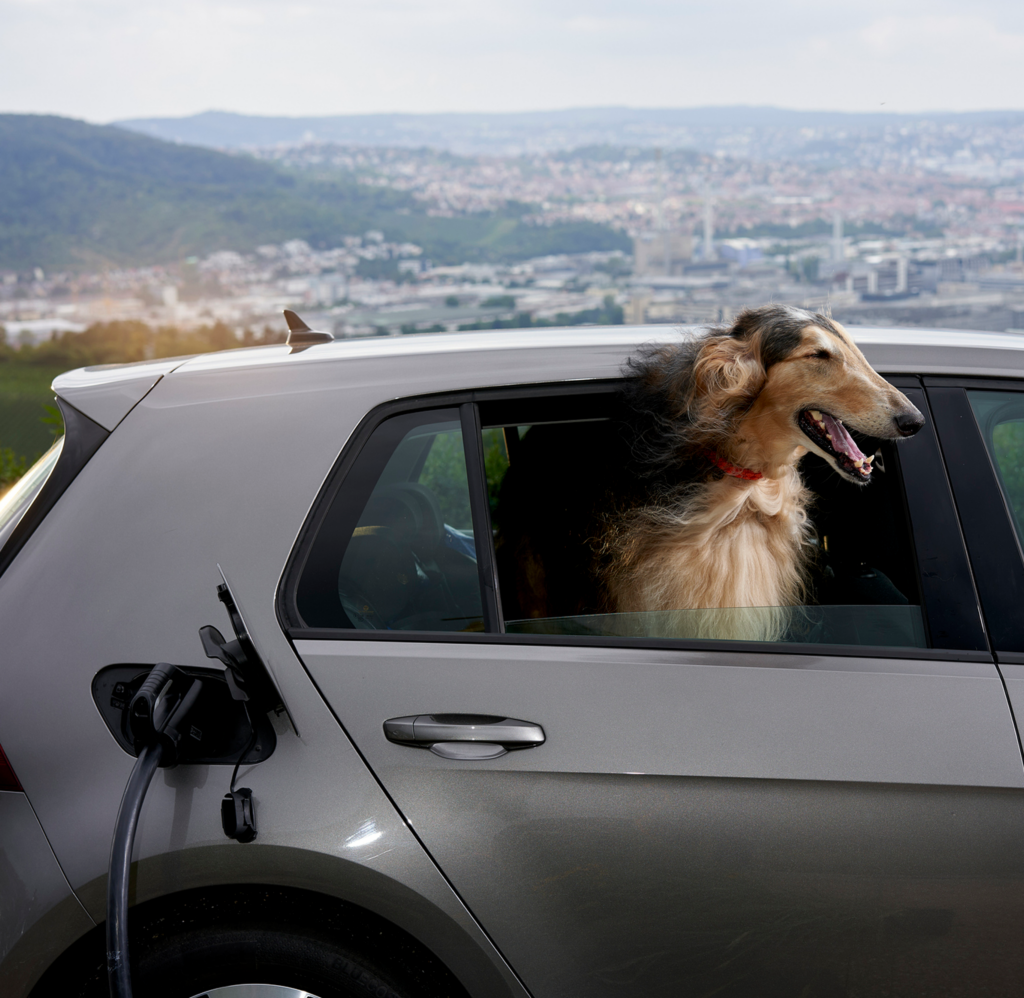
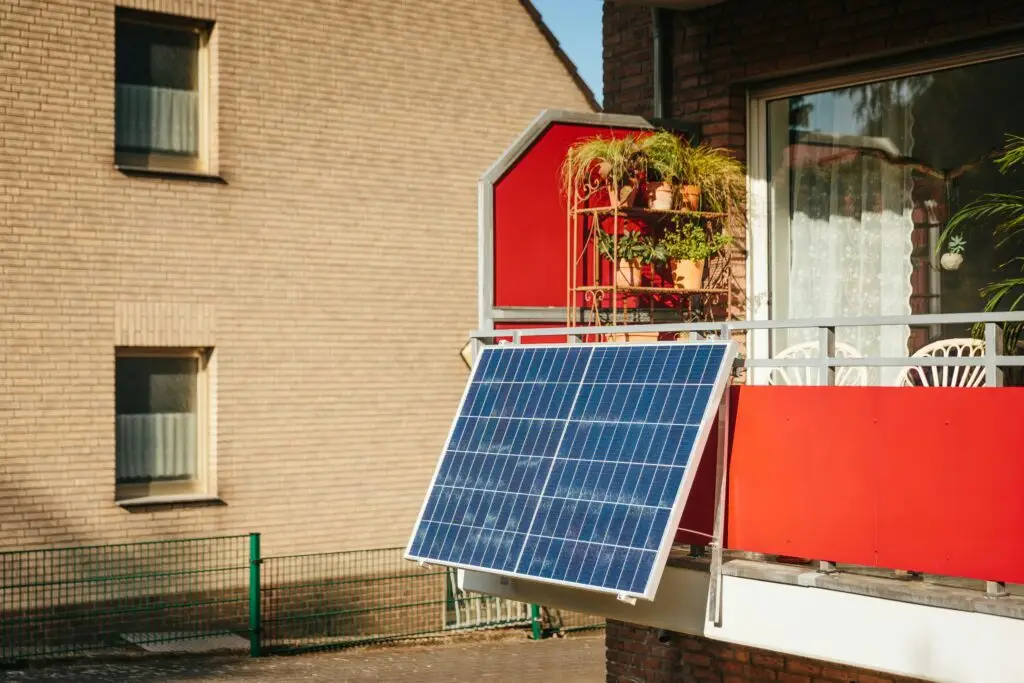
This is where Podero can play a role. By coordinating flexible assets such as batteries, EVs, heat pumps, and inverters, Podero can shift electricity consumption or generation in response to market prices and grid conditions, helping reduce exposure to expensive hours while capturing more value when renewable energy is abundant.
So, like SPF protection, it’s less about avoiding exposure altogether and more about knowing when you’re exposed and being prepared for it.