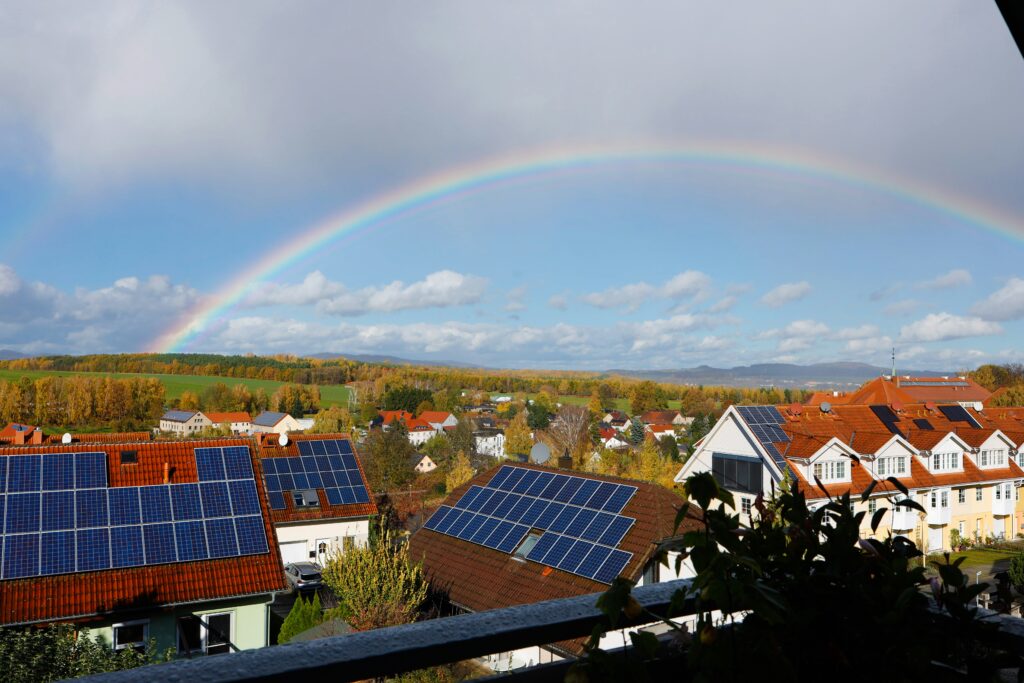

Europe’s energy landscape is transforming fast. Rooftop solar, electric vehicles, and heat pumps are reshaping how we generate, store, and consume energy.
This transformation is essential for meeting Europe’s climate goals. But it’s also creating big challenges for grid operators and energy companies.
The old energy infrastructure was built for a simpler world. Centralized power plants fed passive consumers through predictable, one-way flows. Today’s reality is far more complex:
- Energy now flows in multiple directions
- Volumes fluctuate dramatically
- The scale of distributed resources is testing grid limits
The result: rising volatility, grid congestion, and a multibillion-euro price tag for infrastructure upgrades by 2030.
But there’s real opportunity inside this challenge. Virtual Power Plants (VPPs) are emerging as the digital solution. They can turn millions of distributed energy resources into coordinated, intelligent networks, stabilizing the grid, cutting costs, and creating new revenue streams across Europe.
The €584 billion infrastructure gap
The numbers tell a stark story. The European Commission’s Grid Action Plan projects €584 billion in required grid investments by 2030. This covers electrification and renewable energy adoption, including upgrades to transmission lines, substations, and digital systems across the continent.
Here’s the key fact reshaping energy strategy: physical grid upgrades alone won’t solve the problem. Distributed energy resources, like rooftop solar, EV chargers, heat pumps, and battery storage, are growing far faster than traditional infrastructure can keep up.
Without digital solutions, Europe faces:
- Grid instability
- Price volatility
- Delays in meeting decarbonization targets
This is exactly why a Virtual Power Plant (VPP) approach has gone from innovation to necessity.
Virtual Power Plants: from complexity to coordination
A Virtual Power Plant works like a conductor leading an orchestra. It coordinates thousands of distributed energy assets so they perform as one, unified resource.
Instead of building costly new power plants, VPPs aggregate and optimize assets that already exist:
- Solar PV systems on residential and commercial rooftops
- Battery storage from homes, businesses, and utility-scale installations
- EV chargers that can adjust charging based on grid conditions
- Smart heating and cooling devices that can shift energy consumption
- Industrial flexible loads that can adjust operations for grid support
The VPP platform uses real-time data and predictive algorithms to coordinate these resources. It delivers grid services like frequency regulation and demand response. Instead of requiring massive spending on new power generation, VPPs unlock flexibility from assets that are already deployed and paid for.
Regulatory pressure is mounting
European policymakers face a tough balancing act: speed up clean energy adoption, keep the grid reliable, and keep consumer costs reasonable. Traditional approaches that focus only on infrastructure expansion fail on all three fronts.
New rules, like the EU’s Clean Energy Package and national net-zero commitments, are pushing utilities to find alternatives. The message is clear: flexibility must work alongside infrastructure to solve the grid transition challenge.
VPP & DERMS: strategic technology choices
Energy companies exploring digital grid solutions usually run into two main technology approaches.
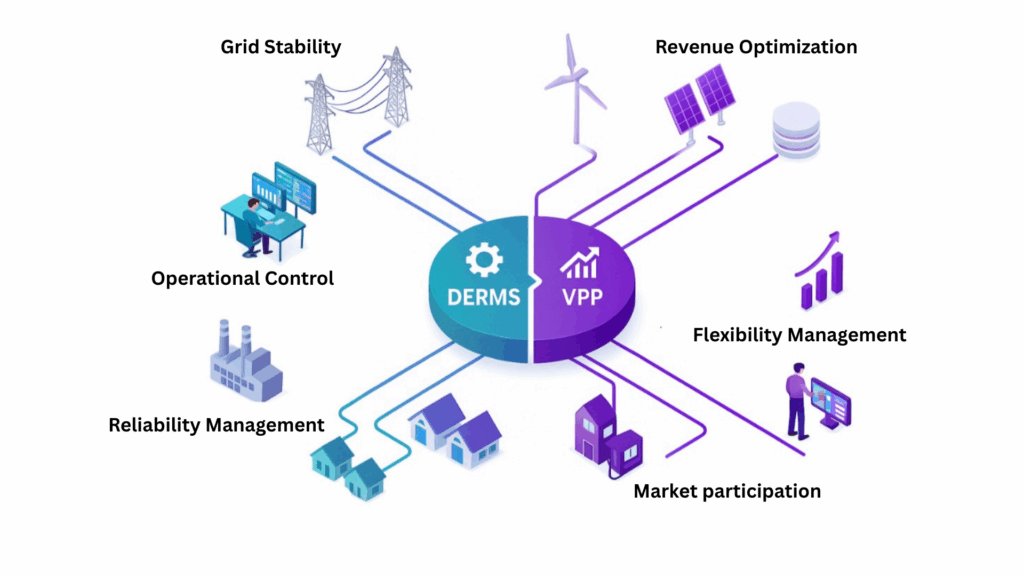
DERMS (Distributed Energy Resource Management Systems) focus on utility grid operations. They emphasize stability, reliability, and operational control. DERMS are great at keeping the grid balanced, but they typically focus on avoiding problems rather than creating value.
Virtual Power Plant platforms focus on market participation and revenue. While DERMS keep the grid stable, VPPs turn the same distributed assets into active market participants. They generate revenue through energy sales, ancillary services, and demand response programs.
The difference is strategic:
- DERMS provide operational control.
- VPPs create the potential for profit.
Many leading energy companies now use both, together. DERMS for grid stability, and VPPs for market participation and revenue.
Podero’s VPP Platform: simplifying market complexity
At Podero, we know that energy market complexity is a major barrier to VPP deployment. Our platform removes that complexity. We give energy companies, retailers, and technology providers integrated access to European energy markets.
Our approach rests on three core principles:
- Simple market access. Automated participation in day-ahead and intraday markets across Europe, with regulatory compliance and real-time optimization built in.
- Multi-device integration. Connect and coordinate any combination of solar, storage, EV, and smart device technologies through standardized APIs.
- Revenue optimization. Advanced algorithms continuously optimize asset dispatch and market participation to maximize revenue, while keeping the grid stable and customers happy.
By handling the market complexity behind the scenes, Podero lets our partners focus on customer relationships, technology, and growth. We take care of maximizing the value of their distributed energy assets.
The strategic imperative: act now or risk missing out
Virtual Power Plants are more than a technology upgrade. They represent a fundamental shift in how energy systems create and capture value.
For companies in solar, storage, and energy management, building VPP capabilities early isn’t optional. It’s essential for staying competitive long-term.
First-mover advantages
Early VPP participants are building competitive positions that will be hard to replicate, including:
- Customer relationships and data insights
- Market knowledge and operational experience
- Revenue optimization capabilities
- Stronger regulatory relationships
The compound effect
VPP benefits build on themselves over time:
- Early participants gain market knowledge that improves performance.
- Better performance attracts more customers.
- Larger portfolios unlock access to higher-value markets.
Building Europe’s digital energy future
Europe’s energy transition is moving faster than traditional infrastructure can support. The answer isn’t more centralized resources. It’s coordinating the distributed resources already being deployed at record scale.
Virtual Power Plant platforms are a critical layer of digital infrastructure. They make renewable energy integration economically viable and operationally reliable. The technology exists. The market demand is proven. And the regulatory framework is evolving to support VPPs at scale.