
A simple guide to smart energy terminology
Nobody has time to learn every term swirling around the “smart energy transition.” We put together a handy glossary for our new joiners. Then we realized others new to this space might like it too.
It’s hard enough explaining to your mum what you do. You shouldn’t also need to call a heat pump a “distributed energy resource.” So here are the terms we keep tripping over, explained in plain English.
Distributed Energy Resources (DERs)
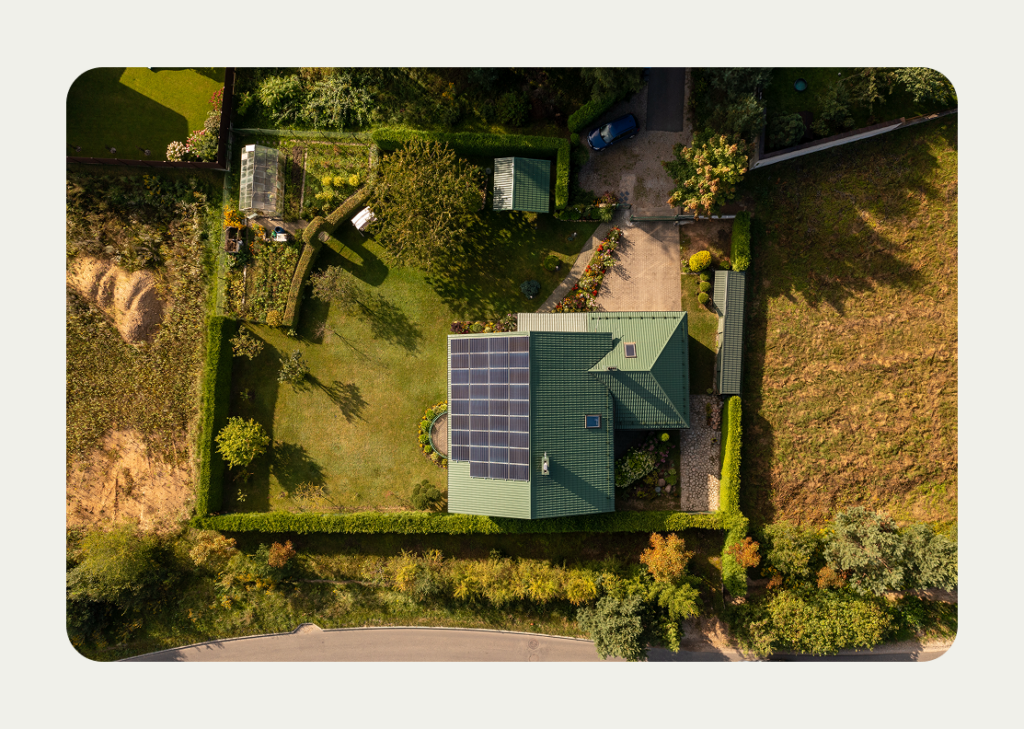
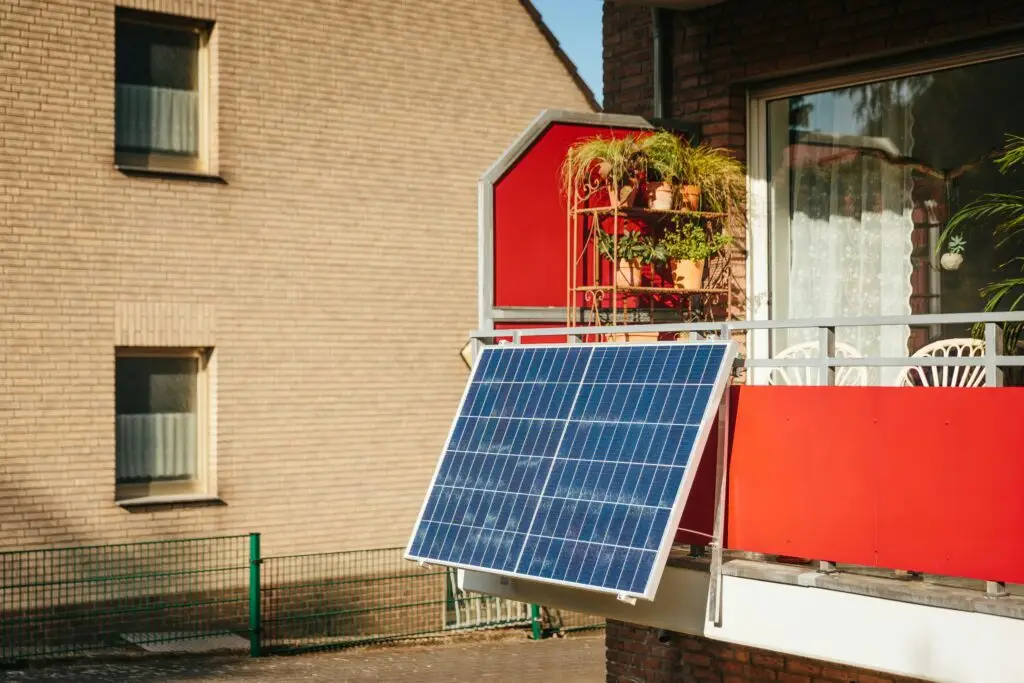
Distributed Energy Resources are the key devices that generate, store, or use electricity in a household or similar location. Think solar panels, batteries, electric vehicles, or heat pumps.
They’re connected to the grid, but sit “behind the meter.” That means they’re mostly involved in energy use on the property itself. Today, they’re usually also connected to the internet. That means they can be controlled, and optimized, remotely.
Managing your DERs well lets a household save money by using energy more intelligently. This is the “prosumer” approach (see below), and it’s often more sustainable too.
DER Management System (DERMS)
A DERMS is a software platform. Utilities use it to monitor, control, forecast, and optimize a wide range of connected Distributed Energy Resources. Podero’s platform is one example.
At scale, smart DER management helps utilities:
- Balance the grid and keep things stable
- Reduce their own costs (and often customer bills too)
- Purchase electricity more efficiently
DERMS can also aggregate household DERs, treating them as if they were one big power plant. Their combined energy demand, storage, or supply can then be used as part of a grid network, or traded on energy markets (see below). This improves grid stability, boosts power quality, and helps integrate renewables more effectively.
Virtual Power Plant (VPP)
A VPP is a big, distributed, cloud-based power plant made up of aggregated DERs. It typically combines the capacity of connected household devices (rooftop solar, battery storage, heat pumps, EVs) with flexible industrial or commercial loads. Together, they operate as a single “dispatchable entity” in energy markets.
VPPs let smaller, spread-out assets take part in:
- Wholesale energy markets
- Ancillary service markets
- Local flexibility schemes run by Transmission System Operators (TSOs) and Distribution System Operators (DSOs)
VPPs provide services like grid balancing and congestion management. These matter more as renewables come online, since renewables are harder to predict.
In simple terms: you can charge up a batch of household batteries with extra midday solar, then discharge them back to the grid when demand peaks in the evening and the sun isn’t shining. For utilities, VPPs also unlock a way to monetize consumer and industrial DER flexibility. Learn more Virtual Power Plants here.
Demand Response (DR)
Demand Response refers to programs or actions that encourage (or push) an electricity user to change their normal consumption patterns.
Utilities typically run DR programs to lower electricity use at peak pricing times, or when grid reliability is at risk. At scale, DR helps flatten peak demand and improve grid stability. Over time, it also means utilities can spend less on new generation and network capacity, since that capacity is usually only needed to handle the peaks.
DR happens in three main ways:
- Behaviorally, by encouraging habit changes (e.g. Octopus UK’s Saving Sessions)
- Directly, through load control managed by the utility
- Automatically, by connecting smart devices to energy management systems based on price or environmental signals, alongside customer preferences (this is where Podero comes in)
DR can also refer to balancing and ancillary services at the whole grid-system level. These keep demand in balance, and they’re the services utilities deliver by running the programs above.
Energy Flexibility / Demand-Side Flexibility (DSF)
Energy Flexibility, often called Demand-Side Flexibility (DSF), is about how electricity consumers can adjust, or “flex,” their energy use or generation. They respond to signals like price, grid conditions, or incentives such as a “time of use” tariff.
This includes:
- Shifting household electricity use to off-peak hours
- Reducing use during demand or price peaks
- Making better use of on-site solar generation and battery storage
DSF is essential to Demand Response. It’s the mechanism that lets energy users actually respond to DR signals.
Smart, connected DERs only help if the energy use behind them can actually flex. For utilities, unlocking DSF from residential, commercial, and industrial customers, through smart technology (like Podero) and the right incentives, is essential. Without it, DERMS and VPPs can’t do their job, and Demand Response can’t succeed.

Energy Trading (Spot, Day-Ahead, Intraday, Balancing Markets)
Energy Trading involves buying and selling electricity in organized markets. The goals are to balance supply and demand, manage price risk, and optimize energy procurement or generation portfolios. Trading rules vary enormously by geography, even within a single country, so this is just a high-level view.
Key electricity markets include:
- Day-Ahead Market: Participants submit bids and offers for electricity delivery for each hour of the following day. Once all bids are in, the day-ahead price and load curve is set for everyone in that market.
- Intraday Market: Allows further trading closer to real time. This helps adjust for unexpected changes in generation (e.g. from renewables) or demand.
- Spot price: The current market price for energy, usually set hourly or every quarter hour, depending on the market. There’s a unique spot price for each day-ahead and intraday market.
There’s also the Balancing Energy Market (also called Ancillary Services). The Transmission System Operator decides what energy shifts are needed to balance the grid over a given period. Participants are then chosen through a “merit order” process. Grid operators use this market to buy or sell what they need to maintain grid stability and frequency in real time, avoiding blackouts.
Examples include the Frequency Containment Reserve (FCR) and automatic Frequency Restoration Reserve (aFRR). Utilities and aggregators can use their DERMS to step in and optimize short-notice dispatch of DERs for grid support. This market is heavily regulated and structured, so it isn’t really a market you can trade in the classic sense.
Find out how Podero helps utilities unlock and trade energy flexibility.
Smart EV Charging
Smart EV Charging is the intelligent management of electric vehicle charging. Charging times and rates adjust automatically based on factors like electricity prices, grid load, renewable energy availability, and user preferences.
Unlike basic charging, smart charging lets the EV or charging station communicate with a central management system (or the grid operator). This means EV owners can, for example, automatically charge only during cheaper hours. They just set their charging requirements, plug in, and walk away.
Today’s EVs have large batteries. Controlling their charging patterns significantly reduces strain on the grid. Increasingly, EVs can also act as a “capacity reserve” for the grid, called Vehicle-to-Grid services, taking part in DR programs and earning money for the household.

Home Energy Management System (HEMS)
At its simplest, a Home Energy Management System (HEMS) is any technology platform that monitors, controls, and optimizes energy use within a household. The exact definition varies a bit depending on who you ask.
A HEMS typically connects to and manages DERs such as solar PV systems, batteries, and EVs or EV chargers, alongside smart thermostats and other smart appliances. Some people define a HEMS as always including a solar PV system.
A HEMS aims to reduce energy costs and maximize a household’s “self-sufficiency,” getting the most out of home energy use without sacrificing comfort. It works best when it’s also connected to a utility’s grid flexibility programs, automation, and smart tariffs. That leads to better overall management of distributed resources, and a smarter energy ecosystem from the home to the grid.
PV self-consumption optimization is a form of HEMS focused specifically on solar. It maximizes the use of free solar energy, for example, by shifting your heat pump’s schedule to run while the sun is shining.
If the HEMS also optimizes for pricing signals, it gets even smarter. When the grid pays well for your solar export (feed-in tariffs), the system might prioritize exporting now and wait to charge the car overnight when prices are lower, leaving you better off overall.
Dynamic Tariffs
Dynamic Tariffs are electricity pricing plans where the cost per unit varies. They’re sometimes called Flexible Tariffs, and they’re the opposite of a fixed tariff. Prices can change based on time of day, day of the week, or real-time market conditions (“spot price tariffs,” see Energy Trading above).
A common example is a Time-of-Use (ToU) tariff. This has different price tiers for on-peak, mid-peak, and off-peak periods (or sometimes a simpler day versus overnight rate).
The goal of dynamic tariffs is to encourage consumers to shift electricity use from high-demand (usually higher-cost and higher-emission) periods to low-demand periods. This reduces strain on the grid, helps integrate renewable energy, and usually lowers bills. Smart energy platforms like Podero can automate device responses to these tariffs, maximizing savings for consumers, with benefits for utilities and the grid too.
The downside: dynamic tariffs can feel risky if they’re too tied to market swings. They can penalize unavoidable energy use during peak periods (dinner still needs cooking), and they can make it harder to predict your monthly bill.
Here’s some ideas on tackling dynamic tariffs if you’re interested.
Energy Aggregation / Energy Communities
Energy Aggregation, sometimes called Community Choice Aggregation (CCA), is the process of pooling multiple electricity consumers (residential, commercial, or industrial) or DERs. Together, they purchase or sell electricity, or provide grid services collectively.
This isn’t common yet, but Renewable Energy Communities and similar collectives are growing. Government grants increasingly support them as a way to bring more people into the cleaner, smarter energy transition.
By combining demand or generation capacity, participants can:
- Gain more bargaining power
- Access more competitive energy rates
- Take part in wholesale markets and flexibility programs otherwise out of reach for smaller players
New “aggregators” are emerging to manage this pooling, often using sophisticated software platforms to optimize the aggregated assets.
Energy APIs (Application Programming Interface)
An API is a set of rules and protocols that lets different software applications, devices, and platforms communicate and exchange data. APIs are common in software, but less familiar to many people in energy.
In energy, APIs are essential for interoperability, letting different DERs, utility systems (billing, customer service, trading), and third-party providers (like the app that controls your EV) connect and communicate. Podero’s API plays this role, helping utilities steer (control) devices and trade energy.
By enabling secure, standardized data exchange, APIs help utilities integrate and manage DERs effectively, offer smarter customer services, automate energy trading, and build a more responsive, intelligent grid.
Grid Balancing
Grid Balancing is the process of matching electricity generation with demand in real time. This keeps the power grid stable, mainly by keeping grid frequency within a narrow range (e.g. 50 Hz or 60 Hz).
A significant mismatch between supply and demand can cause frequency fluctuations, power outages, or even widespread blackouts. Grid operators maintain balance by:
- Curtailing renewables when needed
- Activating grid-level energy storage
- Increasingly, drawing on aggregated DERs for ancillary services
We talk about beating negative prices in this article.
Traditional power plants are the hardest resource to adjust in real time. They usually need significant lead time and cost to ramp up or down.
Peak Shaving
Peak shaving has nothing to do with teenage boys. It’s an energy management strategy that reduces electricity consumption during periods of peak grid demand.
Businesses typically do this to avoid the high charges utilities impose on commercial and industrial customers during peak times, or to ease stress on grid infrastructure. Peak shaving can involve:
- Temporarily turning off non-essential equipment
- Shifting energy-intensive processes to off-peak hours
- Using on-site resources, like battery energy storage systems (BESS), to supply power during peak periods
Done well, peak shaving can lead to real cost savings for consumers and better grid stability for utilities.
Prosumer
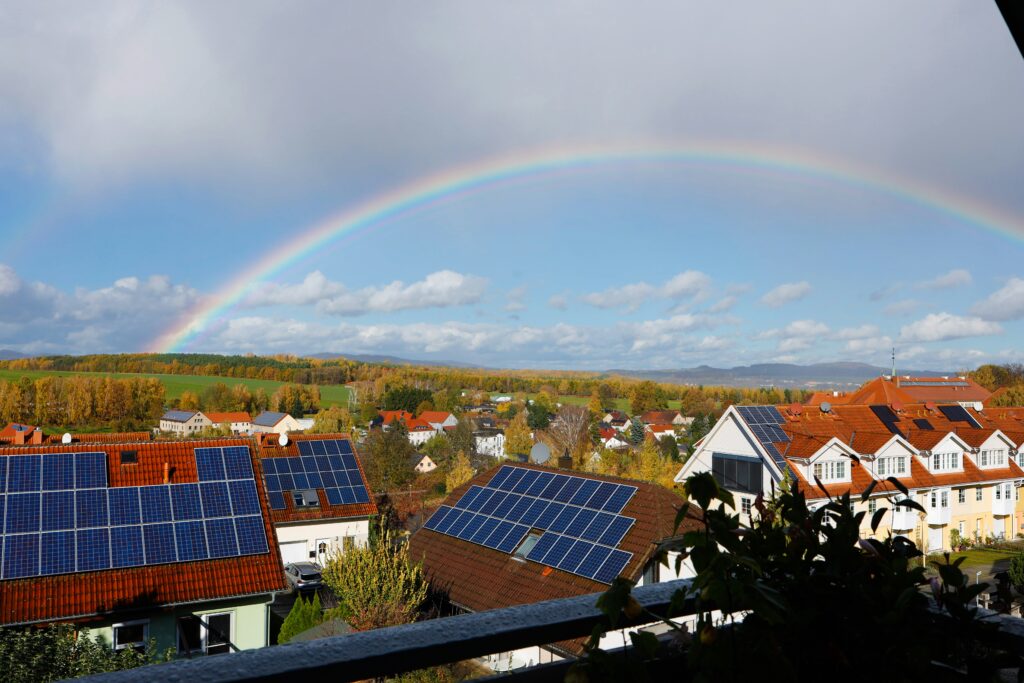
A prosumer is an individual, household, or entity that both consumes electricity from the grid and produces its own, typically from renewable sources like rooftop solar. Literally, producer plus consumer.
Prosumers may also have energy storage systems (like home batteries). They can sell surplus electricity back to the grid, or take part in energy sharing or demand response programs.
The rise of the prosumer marks a shift away from the traditional, centralized energy system, where legacy suppliers served passive consumers. Instead, we’re moving toward a decentralized, interactive, and flexible model. Consumers play an active role in, and benefit from, a more collective approach to energy generation and management.
It doesn’t have to be hard work. With smart energy management technology, more households can “turn prosumer” while letting smart systems handle the details.
Find some more insights about smart energy transformation and prosumers here.